
In short
- Brands make the mistake of only looking for someone to talk about their product: they need a content creator, not a presenter.
- UGC works when it connects, entertains or provides value, integrates the product naturally and doesn’t look like advertising.
- Educational, entertainment, lifestyle and trends content territories help create native content for social media.
In this article
When a brand starts working with UGC creators, it usually has a fairly clear idea of what it wants: “someone who can talk positively about my product or service on camera”.
The problem is that, although this idea makes sense, it’s misguided.
But isn’t that what UGC is?
Let me clarify before the haters jump in: this mistake happens when we regularly create videos for organic use on social media. If it’s for ads, it makes perfect sense. Because UGC success isn’t about talking about the product, but about creating content people want to watch.
And that’s where many brands go wrong.
And we see it every day at HICARI.
What brands think they need from UGC
When a brand looks for a UGC creator, it normally prioritizes:
- Having a good appearance
- Literally matching the brand’s customer demographic
- Speaking well on camera
- Explaining the product clearly
- Looking “professional”
- Following the script word for word
And the result is usually a video that:
- Has a hook
- Explains the product well
- Is properly filmed and edited
But it doesn’t work.
Why?
Because it looks like an ad. It feels too much like advertising.
What really works in UGC
The UGC videos that work—especially on organic social media—aren’t the ones that explain the product best, but the ones that connect, entertain and provide value to the user best.
And that completely changes the approach.
Brands don’t just need someone who “talks about their product”. They need to act like creators, and that requires a strategy:
- You need to understand what your potential customers consume on social media
- What the competition is doing that works
- Define content creation territories: educational, brand-led, trends…
- Don’t allocate more than 20–30% to the brand territory
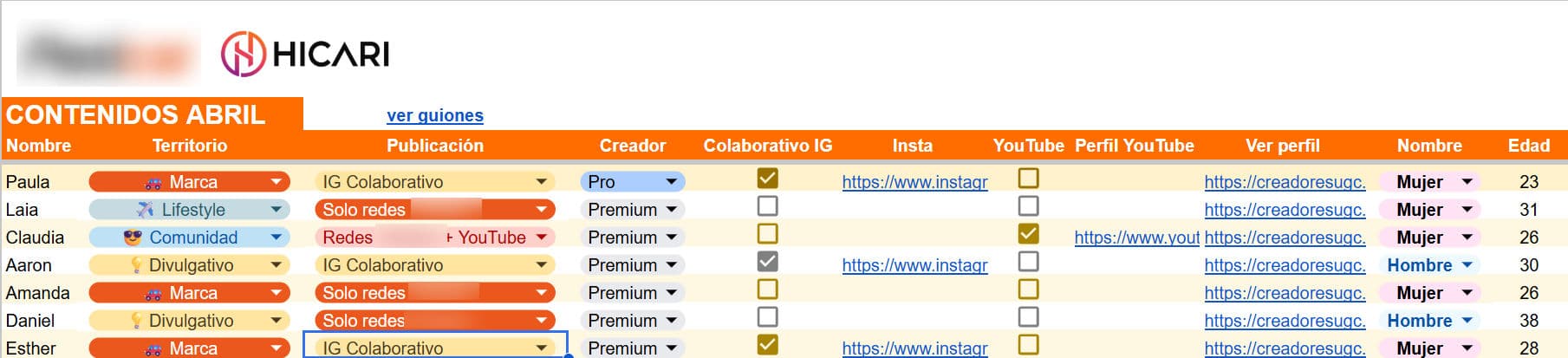
If you need help with strategy and management, get in touch with us, as we also provide a tailored UGC agency service.
And once you have all that clear and defined, you can then use UGC creators to create content for your brand’s social media channels.
- Capture attention in 2 seconds, the famous hook
- Generate curiosity
- Tell something interesting
- Connect with a real problem
- Integrate the product naturally
- Don’t make it feel too much like an ad
In other words: they’re not looking for a “presenter”; they’re looking for a content creator.
For example:
The big mistake: using UGC only to talk about the product
This is the most common mistake when using UGC creators to make videos for social media. Most UGC videos that don’t work follow this pattern:
“Hi, today I’m going to talk to you about…”
“This product is…”
“It has these features…”
And even if it’s well executed, users identify it as an ad within milliseconds.
Because on social media, people don’t go there to watch ads. They go there to be entertained, learn or find inspiration. So burn this into your mind: you can talk about your product without talking about your product.
The content territories where UGC really works
1. Educational
Content that teaches something useful.
Examples:
- “Did you know this wasn’t the way they told you…”
- “This is what no one tells you about…”
The product comes in as part of the solution, not as the protagonist. And sometimes, it doesn’t come into play at all.
2. Entertainment
Content that hooks viewers, surprises them or makes them laugh.
Examples:
- Everyday situations
- Sketches
- Reactions
The goal is to retain attention, not sell directly. It’s also about sharing—making users feel seen so they can share it.
3. Lifestyle
Aspirational content.
Examples:
- Routines
- Day-to-day life
- “How I use this in my life”
Here, the product is either not present or integrated naturally.
4. Trends
Content adapted to social media trends.
Examples:
- Viral audio
- Trending content
The product usually isn’t present; the trend is what matters.
Do you want UGC videos that work for your brand?
Create your free brand account and receive proposals from creators. You only pay per video.
Real examples: when UGC stops looking like advertising and starts working
To better understand this change, let’s look at how different brands approach UGC through content, not the product.
🍦 Maxibon: from showcasing the product to creating entertaining content
❌ The usual (and what doesn’t work): “Trying the new Maxibon, it’s delicious…”
👉 Correct, but forgettable.
✅ What works:
- “A guide to breaking bad news”
- Exaggerated situations
- Meme or sketch format
Here, the product isn’t explained, it’s experienced.
What’s really happening:
- They don’t sell ice cream → they sell a moment
- They don’t explain → they entertain
- They don’t look like a brand → they look like content
🚗 Flexicar: from explaining cars to solving real problems
The usual: “At Flexicar, we have the best cars…”
👉 Pure advertising.
✅ What works:
- “Hybrid or electric?”
- “How to tell if a car has been tampered with”
- “This is what no one tells you when financing a car”
Useful content + a real problem.
What changes:
- The user stays for the content
- The product comes in as the solution
- It provides value before selling
And yes, Flexicar is a HICARI client.
What these examples have in common
If you look closely, none of them starts by talking about the product.
They start by talking about:
- A problem
- A situation
- An emotion
- An experience
👉 The product isn’t the content
👉 The product lives within the content
The mistake in social ads: trying to sell too soon
Using UGC in paid media campaigns amplifies this mistake.
Many brands want the video to:
- Sell from the first second
- Explain everything
- Be perfect
But what really works is:
- Powerful hook
- Interesting content
- Product integration
- Natural CTA
First, you capture attention. Then you generate interest. And after that, you sell.
So… what are brands really looking for in a UGC creator?
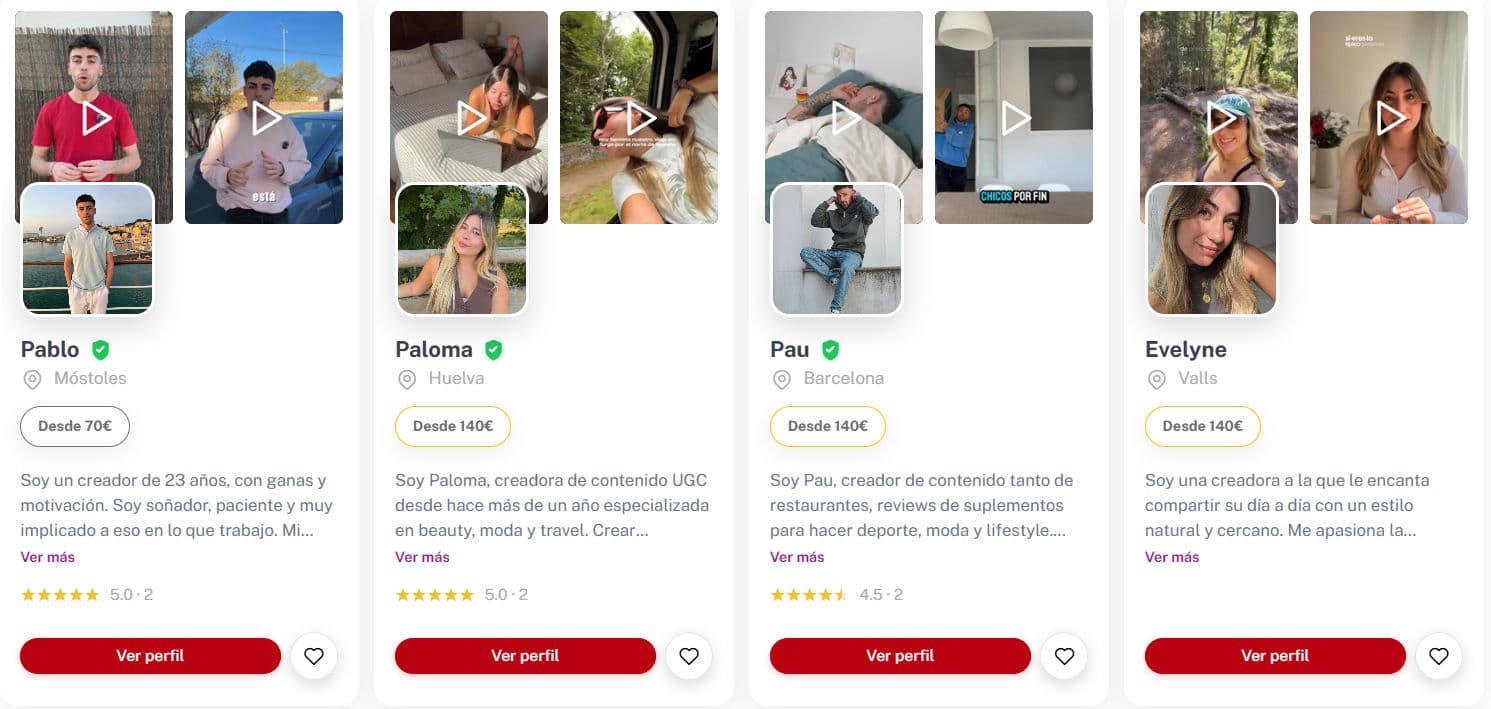
They’re looking for someone who:
- Understands how social media works
- Knows how to create native content
- Doesn’t sound like an ad
- Is credible
- Can work across different content territories
- Knows how to capture attention quickly
And this doesn’t always coincide with the most “perfect” profile. Many brands think UGC doesn’t work. But in reality, they’ve chosen the right creator and recorded the video well… but framed the content poorly.
Because they’ve tried to create advertising in an environment where content wins.
- UGC isn’t about talking about your product or service
- It’s about creating content where your product or your brand makes sense
Frequently asked questions
What qualities should a UGC creator have?
They should understand how social media works, create native content, sound credible, work across different content territories and capture attention quickly. The most perfect profile isn’t always the most suitable.
How is a product integrated into a UGC video?
The product should come in as part of the solution or be integrated naturally into the content. First, attention is captured and value is provided; then the product is presented and sold.
What content territories work with UGC?
Educational, entertainment, lifestyle and trends content work well. They can teach something useful, entertain, show routines or adapt trends, without always putting the product at the centre.
For brands
UGC videos for your brand
Free sign-up. Get proposals from creators and pay only per video.
Create a brand accountor talk to the team