In short
- A social media strategy should start with clear objectives, understand the audience and choose the right channels.
- Combine varied content —including UGC—, investment in Ads and constant engagement, adapting the message to each network.
- Measure reach, engagement, clicks, leads, sales and ROI to continuously optimise results.
In this article
Nowadays, social media is not optional for businesses, no matter how many “gurus” try to convince us that it does not help sell or that you do not need to be there… social media is the shop window where (potential) customers discover, research and decide whether to trust a brand or a company. It is no longer enough to “be on Instagram” or open a Facebook page: you need a clear, measurable social media strategy adapted to your business.
A quick aside. If you cannot do it properly, it is better not to do it at all. But that applies to any channel your company uses, don’t you think? If you have a shop with an abandoned, neglected and dirty window display, it will create a very poor impression and nobody will go in; social media works the same way. It is your company’s digital presence (in addition to your website).
Creating content for social media is not just working in Canva and making 2 reels with stock images
In this guide, you will learn how to design a social media strategy step by step, with examples from tourism and hospitality, software (SaaS), retail/ecommerce and the services sector, which attracts leads, among other types of businesses.
Before you continue reading, this is relevant to you: Digital Marketing Strategy 2026.
What you should consider in a social media strategy in 2026
Every strategy must be unique to each brand, so this should serve as a guide and a starting draft, but you should develop the strategy with the support of experts and specialists, whether hired in-house or through your social media agency or content agencies.
First of all, here is an episode of our podcast on how to create a social media strategy and which types of content you should consider:
1. Define your business objectives
The first mistake many companies make is starting to publish without a defined objective. Social media can serve different purposes, but you must choose which one is a priority for your business.
Types of objectives:
- Reach: the simplest KPI, and the thing that… social media is often about nowadays: achieving a viral video and getting as many views per video as possible.
- Brand awareness: greater visibility and an improved perception of the brand. Here, the metrics may vary depending on the content, from video views to video retention, as well as an increase in followers or engagement rate.
- Lead generation: collecting potential customers’ data.
- Direct sales: increasing your company’s conversions. Yes… you can sell, so do not let anyone tell you otherwise.
- Loyalty: building a community so customers return.
Examples:
- Tourism: increasing engagement and being present during the decision-making stage of the funnel when booking a trip. Inspire, attract and convert.
- Hospitality: filling tables with bookings via Instagram. To do this, you need to generate interest and desire through your content.
- SaaS: attracting qualified leads for free demos or free trials.
- Retail/ecommerce: increasing sales and raising awareness of products
- Services (e.g. academies, consultancies): generating contact forms from interested customers.
You can identify several objectives and KPIs associated with metrics. If you do not achieve them, it is not a problem; you can adjust them over time, but they should serve as a reference for the coming months and years so you can track them and make a YoY (Year over Year) or MoM (Month over Month) comparison.
Okay, we have now defined the company’s objectives on social media. What next?

2. Get to know your audience and its micro-niches
Waaaait, I know you want to start figuring out what content to create and which influencers you’re going to work with, but not yet.
Social media doesn’t speak to everyone: it speaks to specific people. Creating a buyer persona is essential, but ideally you should go further and identify micro-segments within your audience. In other words, you may have an ideal customer, but you’re bound to have other types of customers—or wish you did, right? Define what they’re like!
- Demographic: Age, gender, location
- Type of content they consume
- Purchasing behavior: more digital or physical
- Pain points: what matters most to them and their generation, or quite the opposite
Industry examples:
- Travel: families with young children who prefer organized trips and all-inclusive hotels vs. digital nomads who travel with a laptop.
- Hospitality: local lunchtime customers vs. weekend tourists.
- SaaS: executives who make decisions vs. technical users who use the tool and present the proposal.
- Retail: repeat customers vs. occasional bargain hunters.
Useful tools: Meta Insights, Google Analytics, TikTok Insights, social media surveys.
3. Choose the right social media platforms for your business
Not all social media platforms serve the same purpose. Choose based on your industry, audience and objectives. In other words, the two points above…
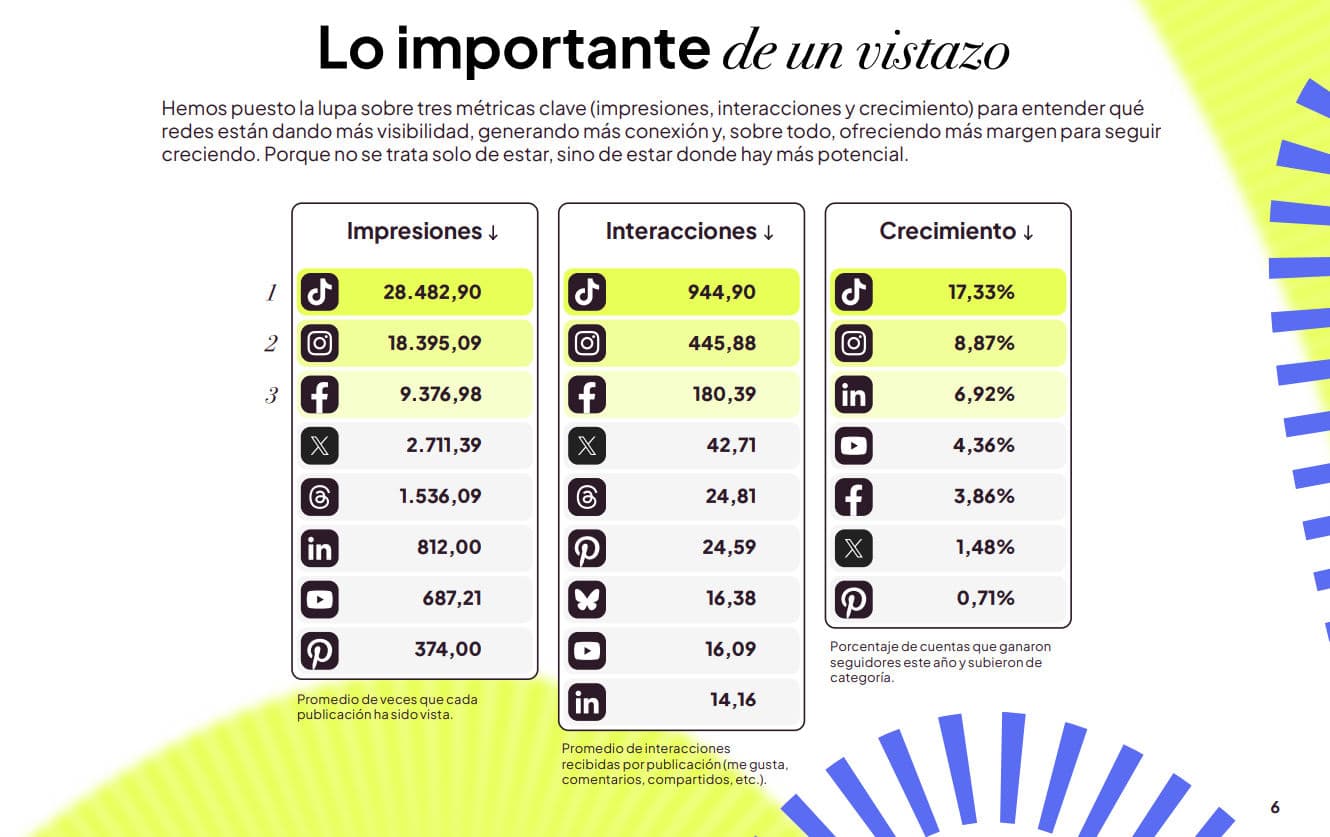
Hey, maybe it’s time to consider opening or closing a social media account if you’re already working on them and they’re barely bringing you anything.
| Industry | Recommended platform | Main reason |
|---|---|---|
| Travel/hospitality | Instagram and TikTok | Visual, aspirational, high engagement |
| SaaS | LinkedIn, YouTube and TikTok | Educational, professional content, tutorials |
| Retail/ecommerce | Instagram, TikTok and Meta Ads | Product discovery + direct purchase |
| Services | Facebook Ads and LinkedIn | Targeted lead generation |
Example: a restaurant should prioritize Instagram Stories to showcase the daily menu and encourage customers to post stories during every visit, complementing this with an influencer + UGC strategy for reach. A SaaS company, meanwhile, should focus on LinkedIn to share success stories and generate lead magnets, while exploring video content on TikTok or Instagram that solves a problem.
4. Define your brand tone and personality
Your brand should sound like a person, not a corporate manual. The key is to maintain consistency and authenticity in every post. Whether you’re Moeve, Santander or Seguros Pepito, you work with people… please, never address them formally. Not ever.
And watch out: don’t use a cheeky tone (which has been so fashionable) across all industries and companies either. “Burger King,” which targets 15-year-olds, is not the same as “Seguros Pepito,” which targets 40-year-old parents who don’t understand what “POV” means.
Examples of tone by industry:
- Hospitality: friendly, fun, with humor in Stories.
- Travel: inspiring, aspirational, with phrases that invite people to travel.
- SaaS: expert, educational, conveying trust.
- Retail: dynamic, fresh, focused on trends and lifestyles.
So far, probably nothing you can’t handle… right? Now things get interesting!

5. Create a varied and effective content plan
Now we’re talking! Let’s see which types of content really work.
The content plan is the soul of any strategy. It should be valuable, diverse, relevant and… adapted to each social media platform.
Well, almost nobody does that last part “100% right”—unless your name is Apple, Carrefour or Disney.
Essential content types:
- UGC: real videos of people: entertainment, educational, testimonial, how-to, storytelling… Still don’t know Spain’s best UGC content platform?.
- Educational: tutorials, tips, “how it’s done.”
- Aspirational: showcasing a lifestyle associated with the product.
- Entertainment: humor, trends, viral challenges.
- Corporate (in small doses): product updates, team, company culture. In these cases, try to tell the story naturally and with little corporate language; if necessary, enlist influencers or UGC creators to tell it for you.
- Promotion / sales: use Instagram Stories (but don’t force the product in bluntly—give it context and sell it with charm); on TikTok, don’t talk directly about the product unless it’s an incredible solution to a major problem; on Facebook, you can publish more promotional content.
Ready to order custom UGC videos for your ads?
Choose the creator, publish your brief on HICARI and receive content ready to use in campaigns or eCommerce. Pay only for each video.
See all the types of video content here. Others include:
- How-to / Tutorial
- Testimonial video
- Launch / opening videos
- Before & After videos
- Comparison
- Shopping experience
- Videos with SEO objectives
Industry examples:
- Travel: “a day at the destination” reels.
- Food service: stories with polls about the week’s special dish.
- SaaS: explainer videos on YouTube showcasing key features.
- Retail: product unboxings recorded by customers.
- Services: video testimonials from satisfied customers.
How much should I publish?
Less is more. If you don’t have valuable content, it’s better not to publish anything that week or to publish less content.
- Publish 2-5 pieces of content per week in feed format (carousels, reels, videos, carousel videos)
- Publish stories on 3-5 days per week on Instagram. Publish a maximum of 2-3 stories per day.
Create a monthly editorial calendar with at least 3 different formats (e.g. 3 reels, 2 carousels and 5 stories per week).
6. UGC and influencers in your strategy
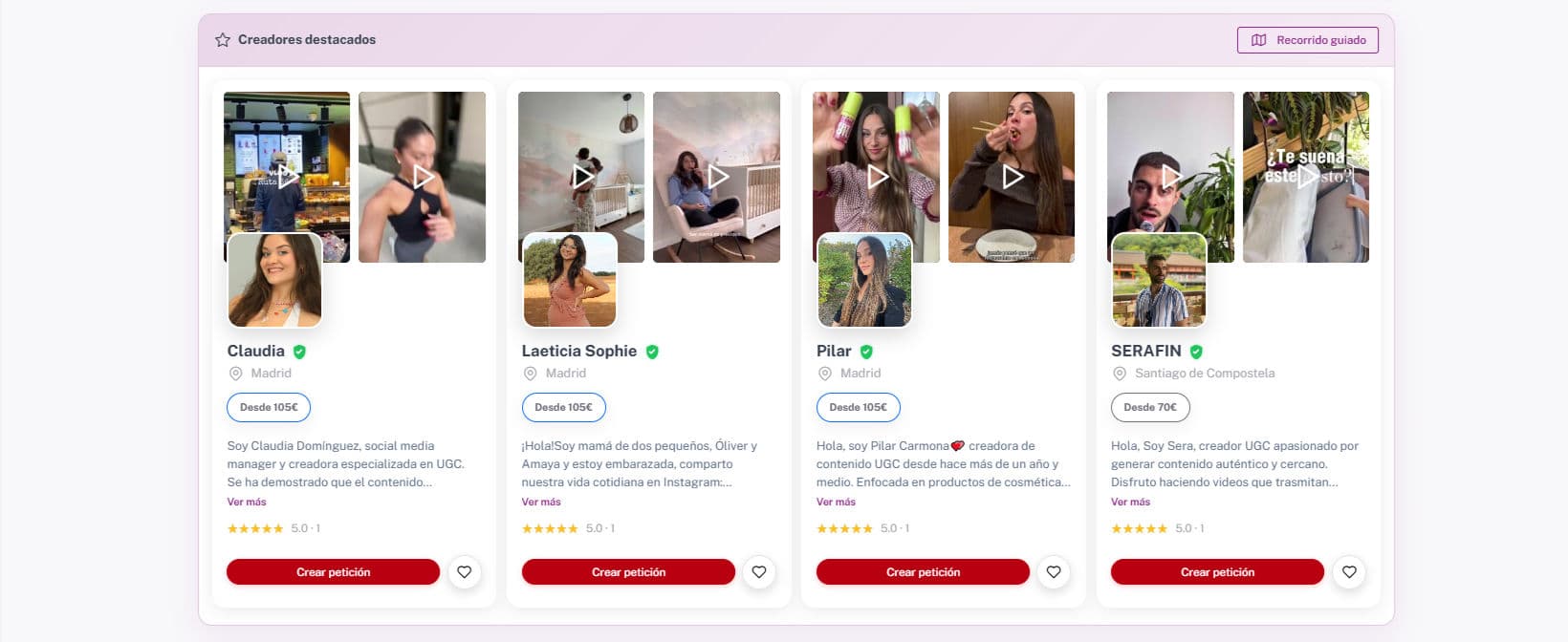
UGC (user-generated content) and influencers are two great allies, although they serve different purposes. UGC vs Influencer.
- UGC: authentic content created by everyday people. It works very well as branded content to build greater trust, naturalness and diversity, as well as to increase the reach of organic posts.
- Influencers: they amplify your message through their community, making them ideal for branding and mass reach. Creating collaborative content (especially videos) with influencers is a very good idea.
7. Social Ads: how to amplify your content
Organic reach is limited. For your strategy to work, you need to invest in Ads and UGC Ads.
Recommended budget:
- Allocate between 10-20% of your marketing budget to Social Ads.

Industry examples:
- Travel/food service: €300 in Ads to amplify organic posts and reach +15k views per piece of content.
- SaaS: LinkedIn Ads with a free trial for executives in a specific industry.
- Retail: Instagram remarketing with UGC videos to recover abandoned carts by talking about that product or comparing it with similar ones.
- Services: Targeted Facebook Ads or LinkedIn Ads to capture contact forms or leads.
Prioritize video creatives (especially UGC), as they deliver up to 40% better conversion KPIs (CTR, CPA, CPL) than traditional ads made with static creatives or stock footage.
65% of HICARI’s customers create UGC for their advertising strategy. You can see examples from brands such as Metalidea, MasterD, Holaluz, PlayUZU and others here.
Want UGC videos that work for your brand?
Create your free brand account and receive proposals from creators. You only pay per video.
8. Community building and engagement
Social media is not a static shop window: it’s a space for interaction.
How can you create branded content?
- A podcast. But not just another one... you need to differentiate yourself somehow. We have this marketing podcast, which is like WhatsApp voice messages: small nuggets of valuable marketing insight. What can you come up with? Remember that if you make video, you can feed your social media with clips.
- Co-branding: find other companies with similar audiences and propose collaborative content, giveaways, fun campaigns, how both products and/or services could work together, create collaborative content, etc.
- Reply to messages and comments at least twice a day. All of them—say it with me... A-L-L.
Industry examples:
- Travel: travel photo contests with your own hashtag.
- Food service: polls in stories to choose the cocktail of the month. A free cocktail for 10 participants.
- SaaS: live webinars answering questions.
- Retail: viral TikTok challenges with customers using a product.
- Services: free tools for their target audience to capture contacts.
Social media trends for 2026

- Generative AI: creation of supporting content (without losing authenticity) for certain content. Please, don’t overdo it with creating AI videos; it’s the most unnatural thing in the world.
- Social commerce: direct purchases within TikTok if you sell physical products.
- TikTok as a search engine: increasingly used like Google by younger people.
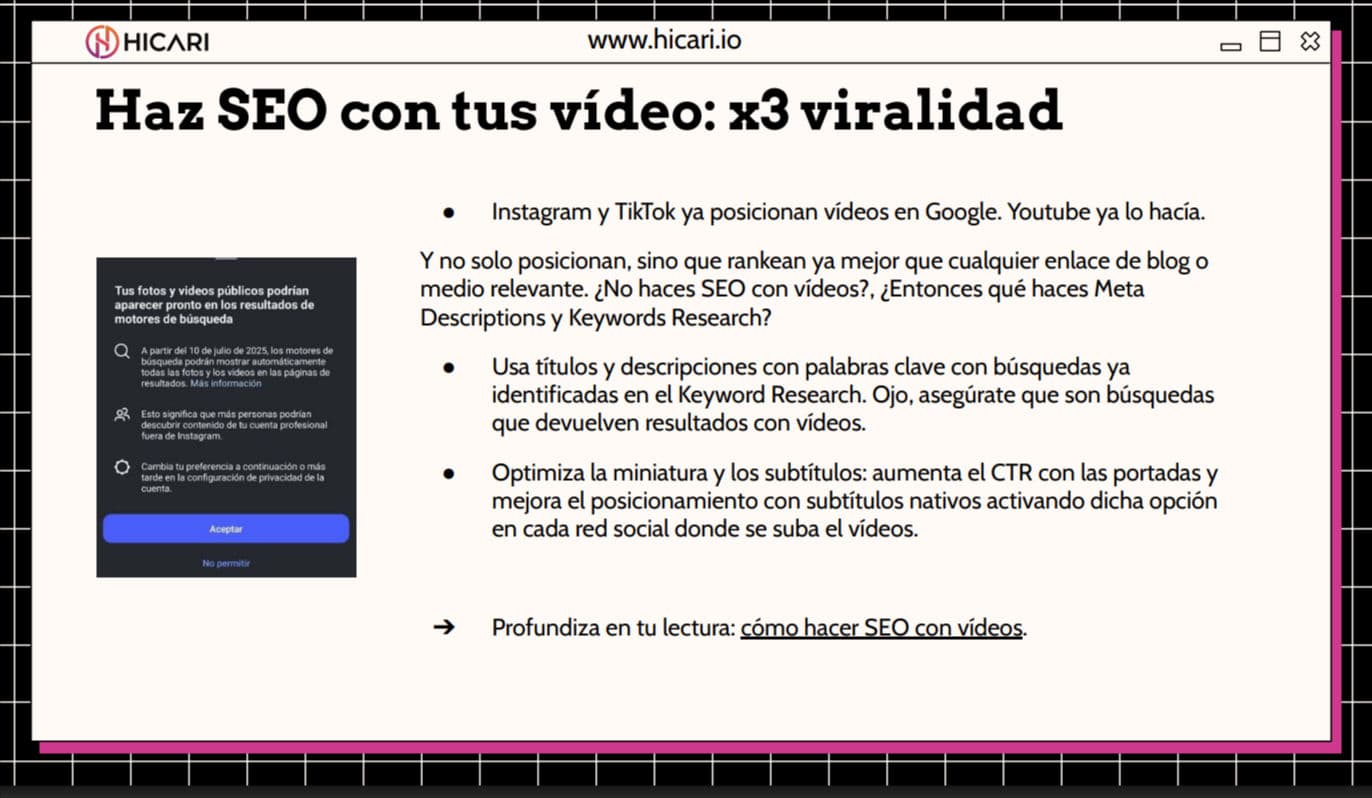
- Videos for ranking on Google. How to do SEO with videos.
- LinkedIn as a creator network: videos, carousels, live streams.
- Micro-communities: private groups on WhatsApp, Instagram, Telegram or Discord. Depending on where your audience is, but please, don’t open all of these channels.
You may also be interested in this: UGC trends in 2026.
Common mistakes that kill your strategy
- Not investing in Ads.
- Obsessing over followers instead of reach, engagement, leads or sales.
- Using only corporate and boring content.
- Not using UGC.
- Not adapting the message to each social network.
- Ignoring results and failing to optimise.
Originality and personality
The main problem with companies is that they look at what their competitors are doing (aspirationally) and want to do the same without stopping to think about how they could do it differently, or how they can be original, funny or unique and convey personality.
How Carls Jr. played the game by hiring KFC’s actors and playing with their rhymes:
An original example of content on HICARI:
Social media measurement and KPIs
Basic KPIs:
- Reach and impressions.
- Engagement rate (interactions/reach).
- Website clicks.
- Leads or sales generated.
- ROI (return on investment).
Industry examples:
- Tourism/hospitality: number of bookings attributed to social media.
- SaaS: cost per free demo.
- Retail: direct sales from Instagram or TikTok campaigns.
- Services: forms completed on the website.
Social media budget: how to allocate it
A practical formula is to allocate between 10% and 30% of the total digital marketing budget to social media. Depending on your sales volume or branding needs.
Example of a monthly allocation:
- Organic content creation (UGC, design, editing): 30%.
- Brand push and reach (influencers, co-branding, giveaways): 20%
- Paid Media (Ads): 20%.
- Management and strategy: 30%.
Real-world scenarios:
- Local SME → €500–1,000/month.
- Medium-sized company → €2,000–5,000/month.
- Large brand → +€10,000/month.
Real example (see the figures here):
13. Practical strategy checklist
- Defined objectives.
- Clear buyer personas and micro-niches.
- Appropriate social network selection.
- Consistent tone and personality.
- Monthly content plan.
- Use of UGC
- Influencer plan.
- Ads budget allocated.
- Active response to the community.
- KPIs defined and measured.
- Monthly optimisation of results.
Ready to order bespoke UGC videos for your ads?
Choose the creator, publish your brief on HICARI and receive content ready to use in campaigns or eCommerce. Pay only for each video.
A company’s social media strategy is not about posting for the sake of posting. It is a planned process that combines clear objectives, audience knowledge, varied content, investment in Ads, ongoing interaction and results measurement.
Companies that apply it—whether in tourism, hospitality, SaaS, retail or services—achieve more sales, a larger community and a much higher ROI.
The first step to standing out is investing in authentic content such as UGC, which builds trust and converts better than any corporate ad.
Social media strategy FAQs
What is a social media strategy for a company?
Which social networks work best by industry?
How much does a social media strategy cost?
What is the difference between a strategy and a content plan?
How do you measure ROI on social media?
Frequently asked questions
How often should you post on social media?
Publish 2–5 pieces of content per week in feed format and stories 3–5 days per week on Instagram, with a maximum of 2–3 stories per day. Create a monthly calendar with at least 3 different formats.
What role do UGC and influencers play in a strategy?
UGC brings trust, authenticity, diversity and reach to organic posts. Influencers amplify the message through their community and are suitable for branding and mass reach.
What percentage of the marketing budget should be allocated to Social Ads?
The recommended budget for Social Ads is between 10–20% of the marketing budget. In addition, video creatives, especially UGC, achieve up to 40% better conversion KPIs than traditional ads.
For brands
UGC videos for your brand
Free sign-up. Get proposals from creators and pay only per video.
Create a brand accountor talk to the team